Neil Emmerson
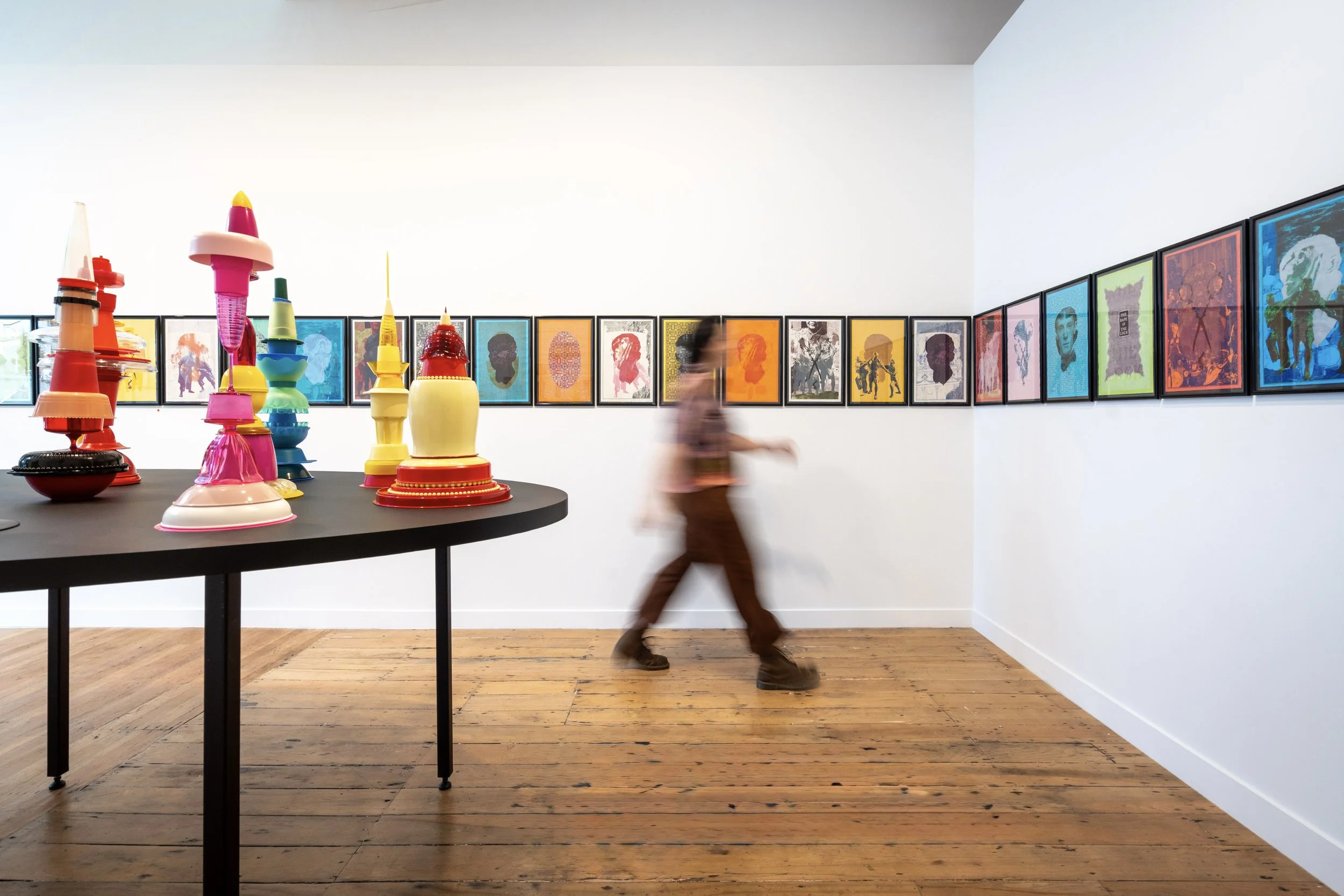
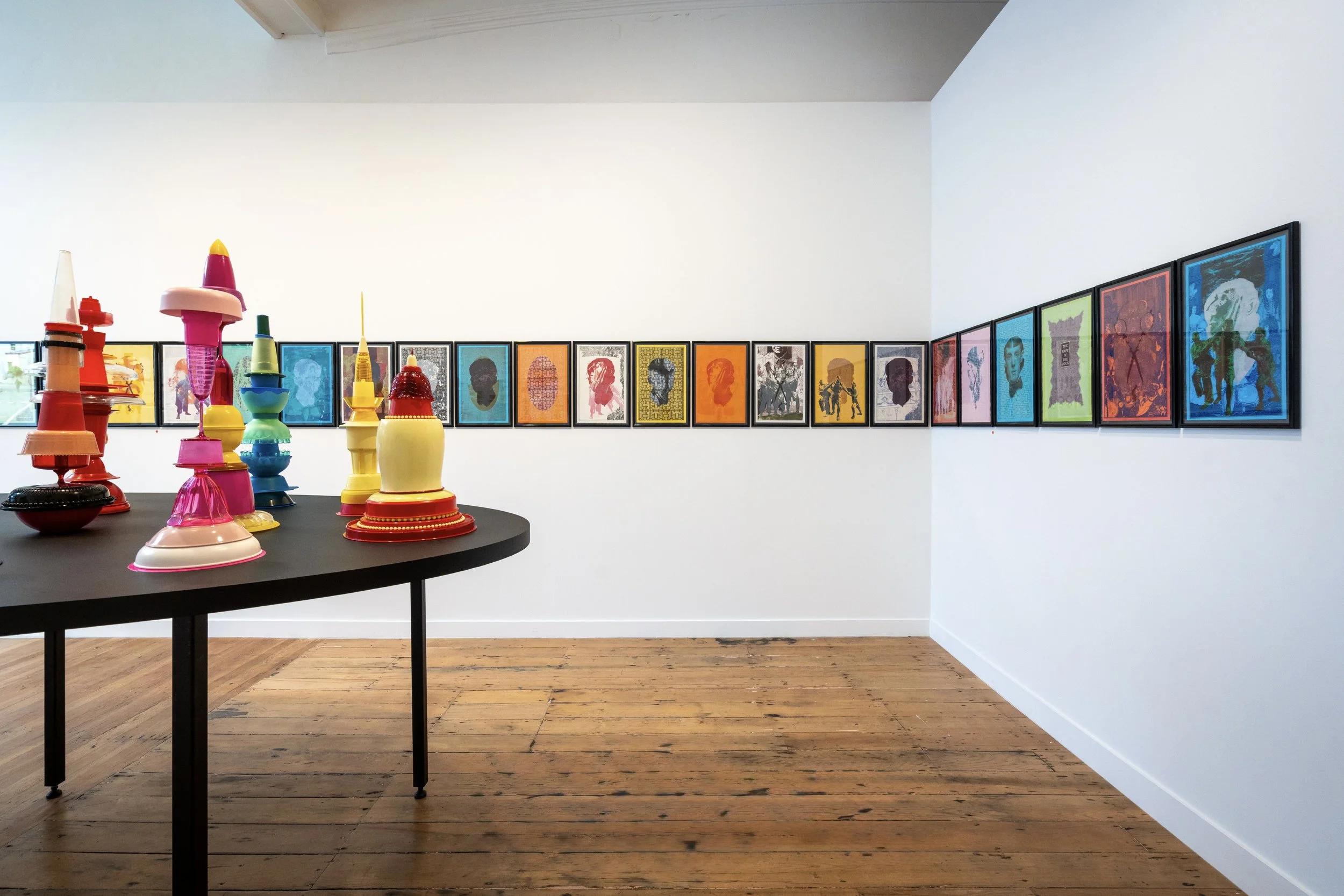
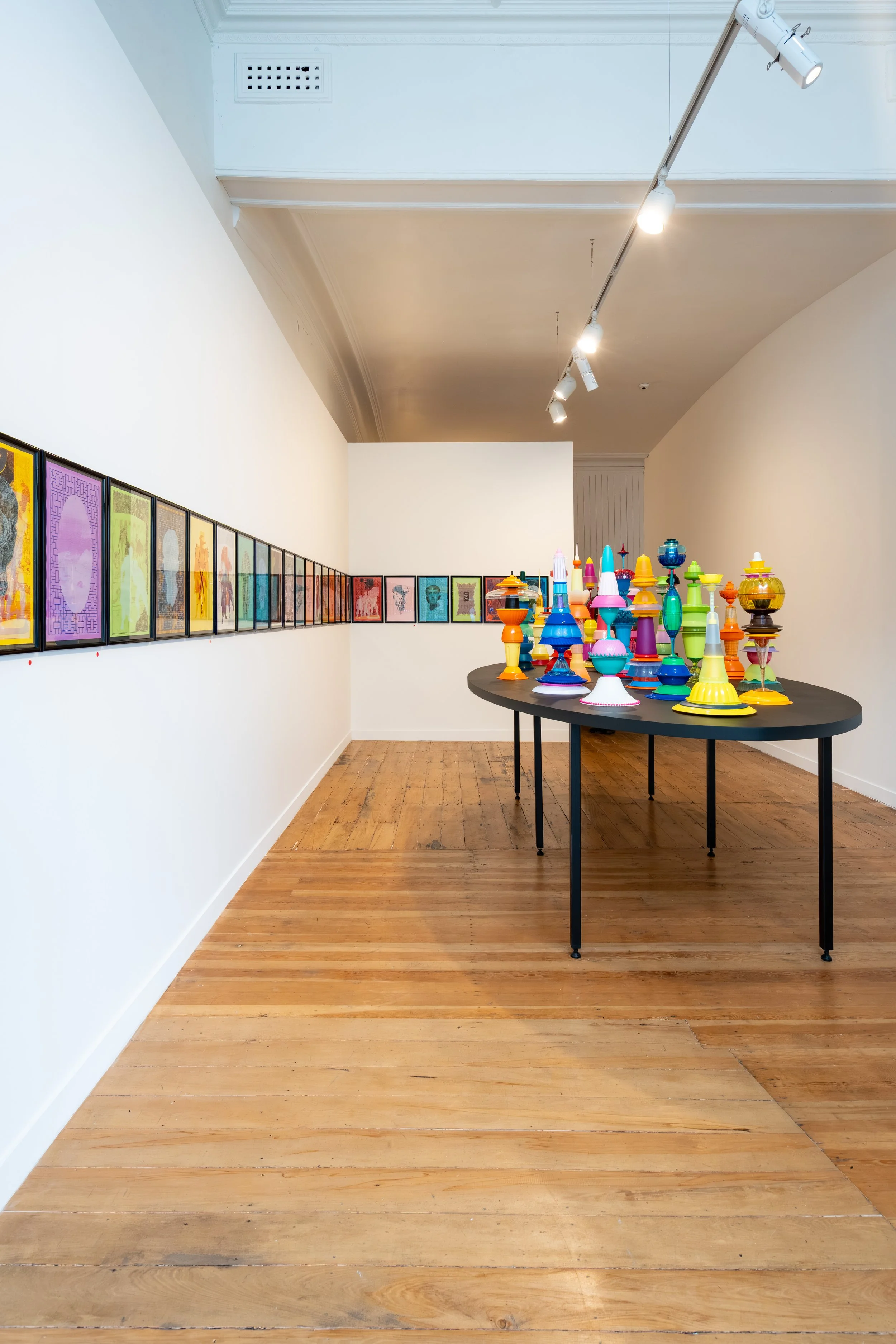
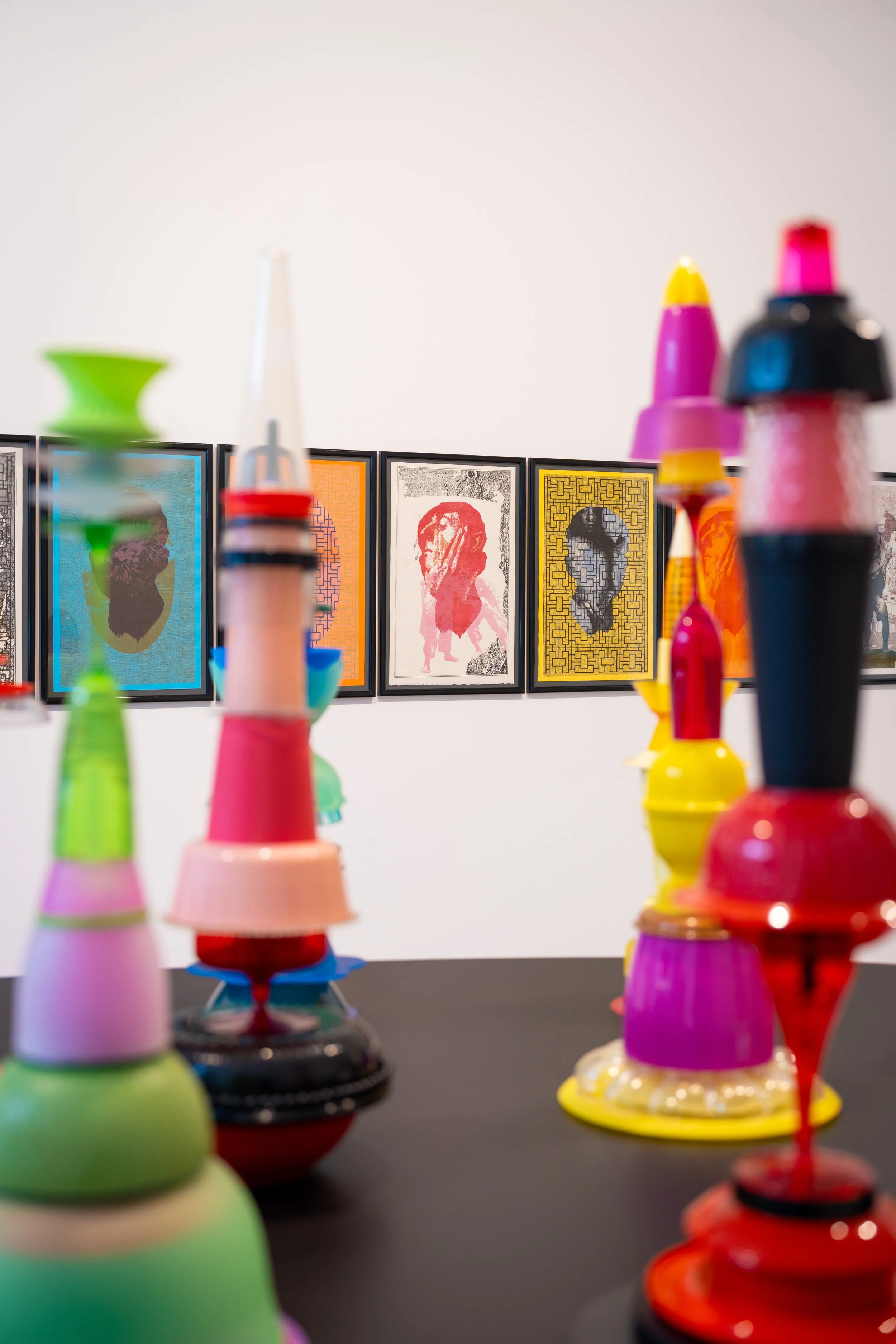
This exhibition brings together two related bodies of work: The Rape of the Lock (1996) and Against Nature (2025). Presented on the 30th anniversary of The Rape of the Lock, the exhibition reflects on enduring themes and processes within my practice.
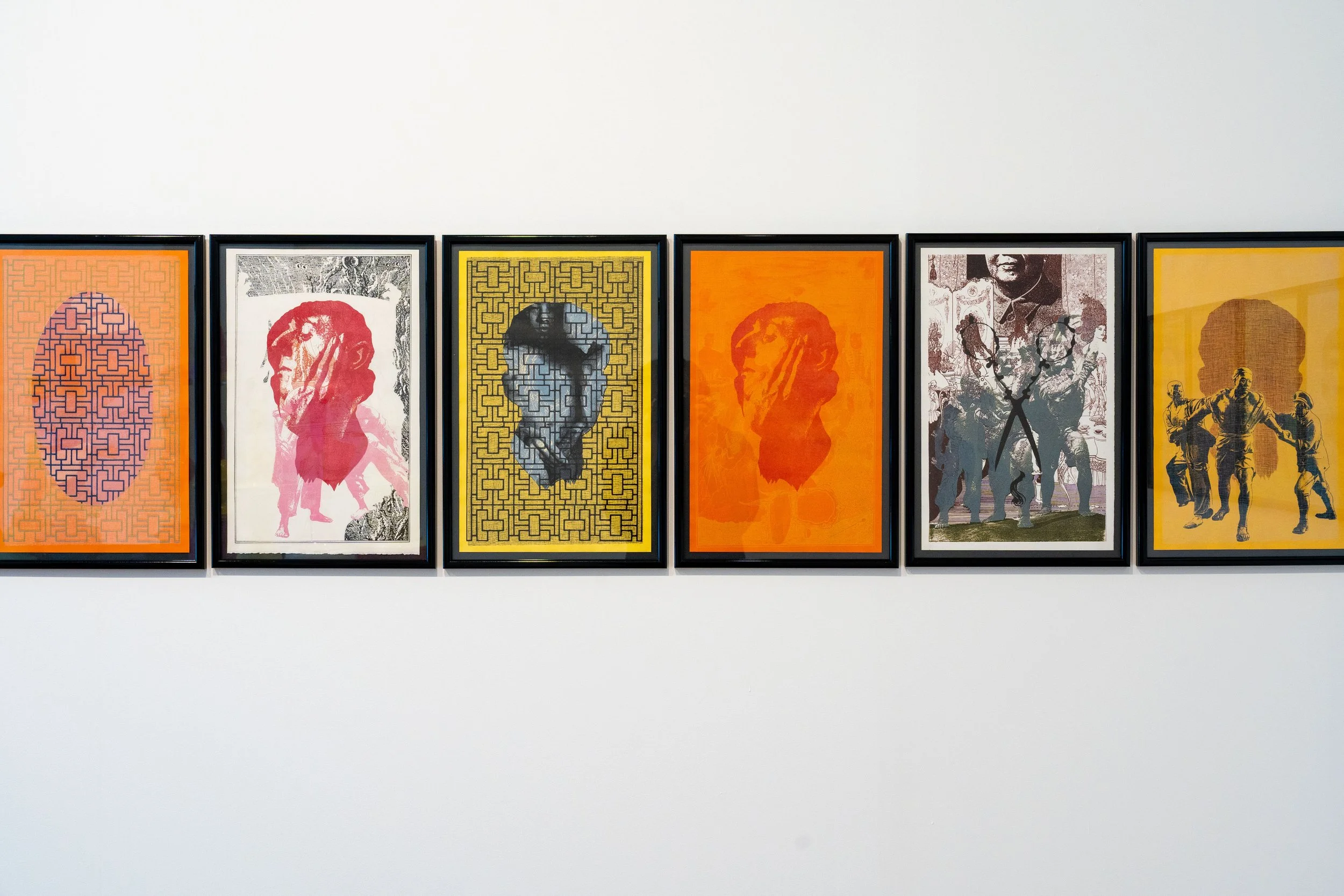
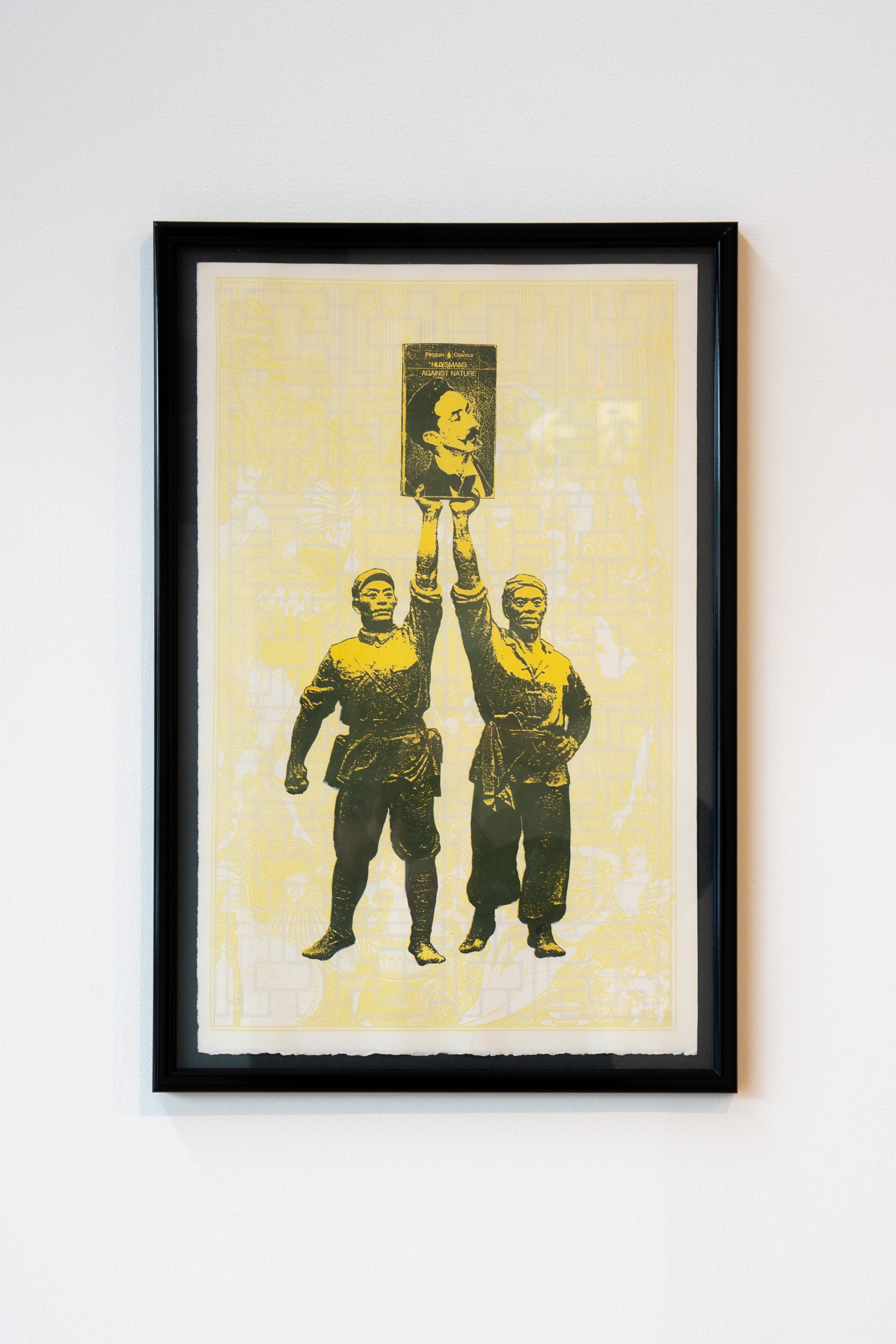
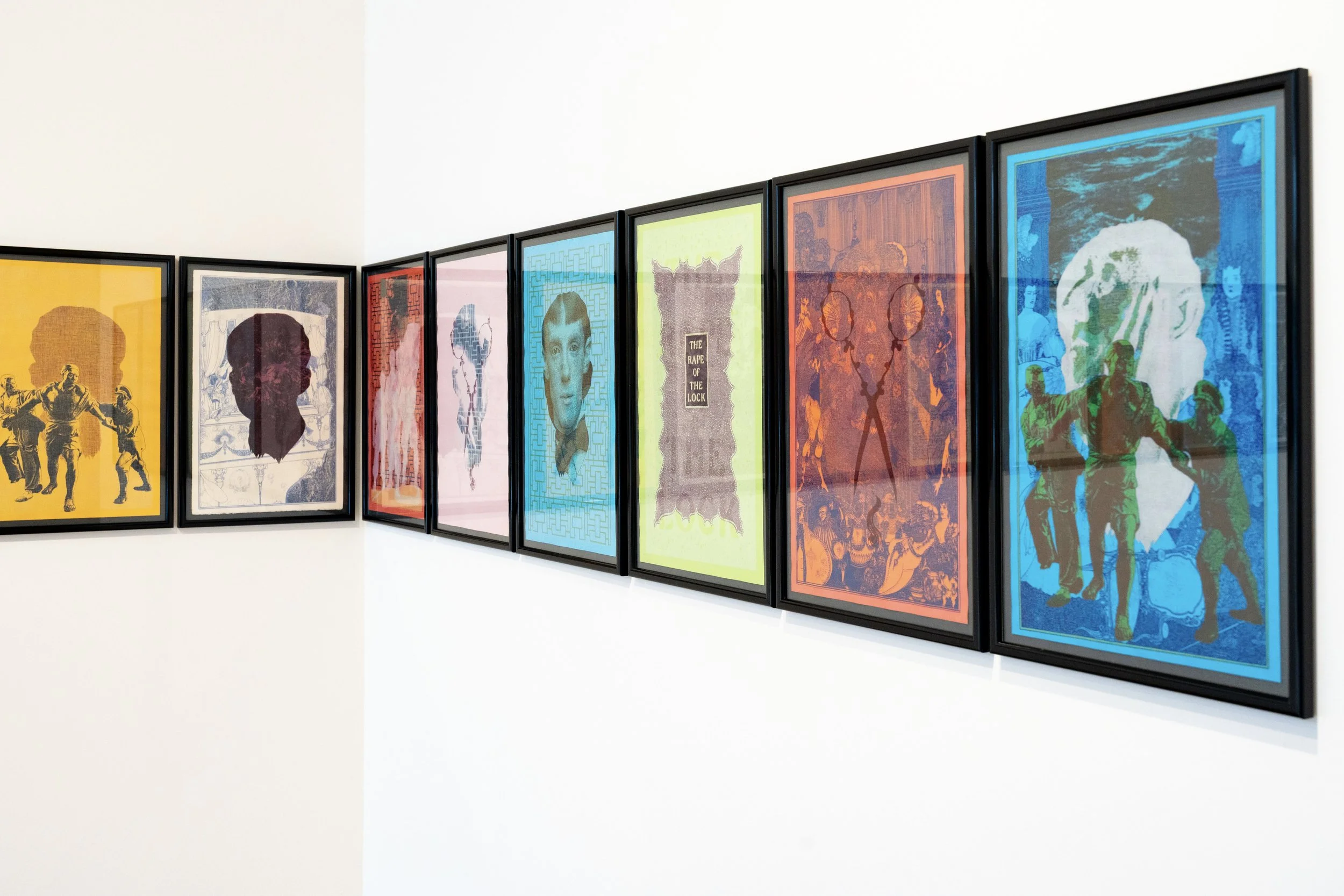
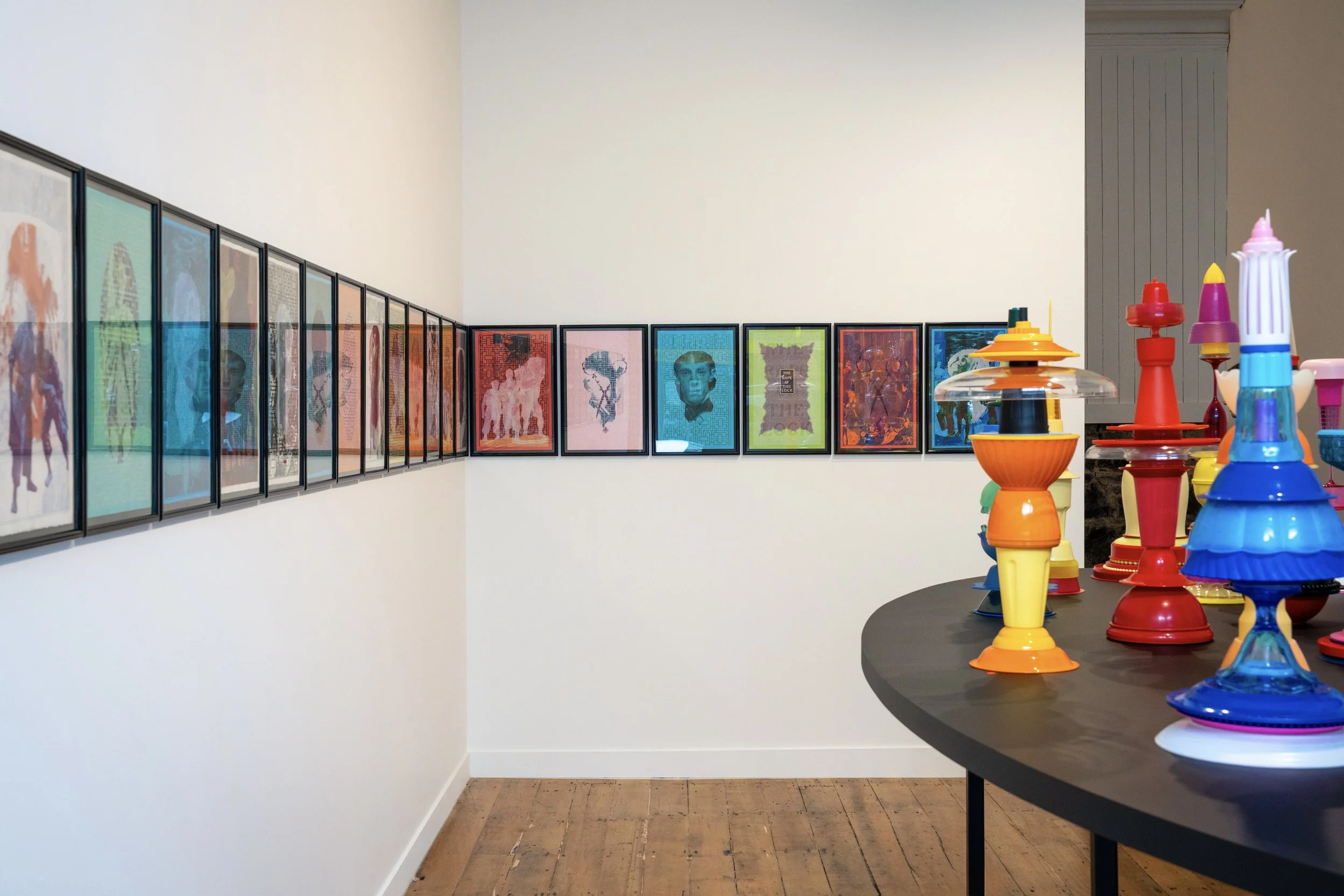
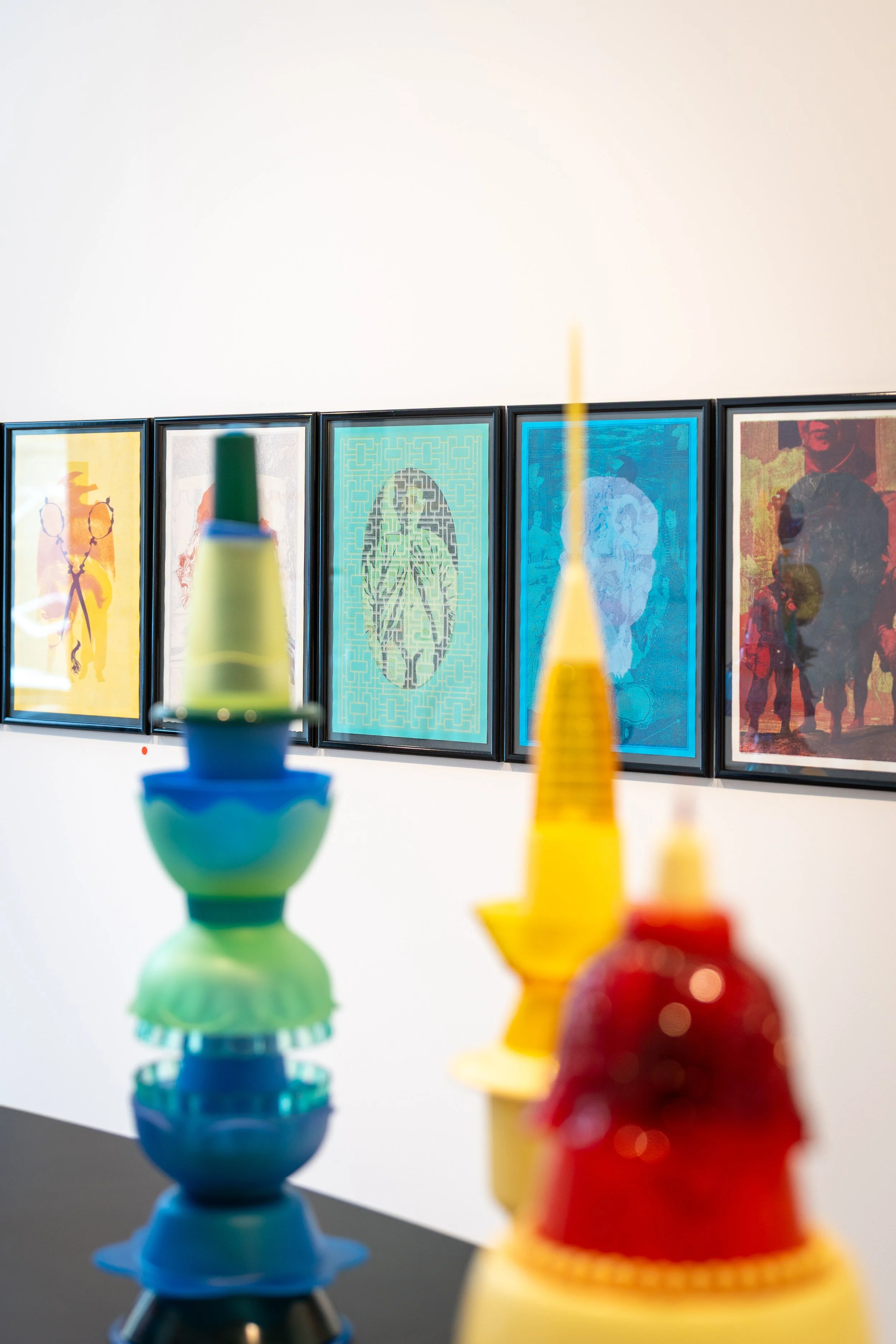
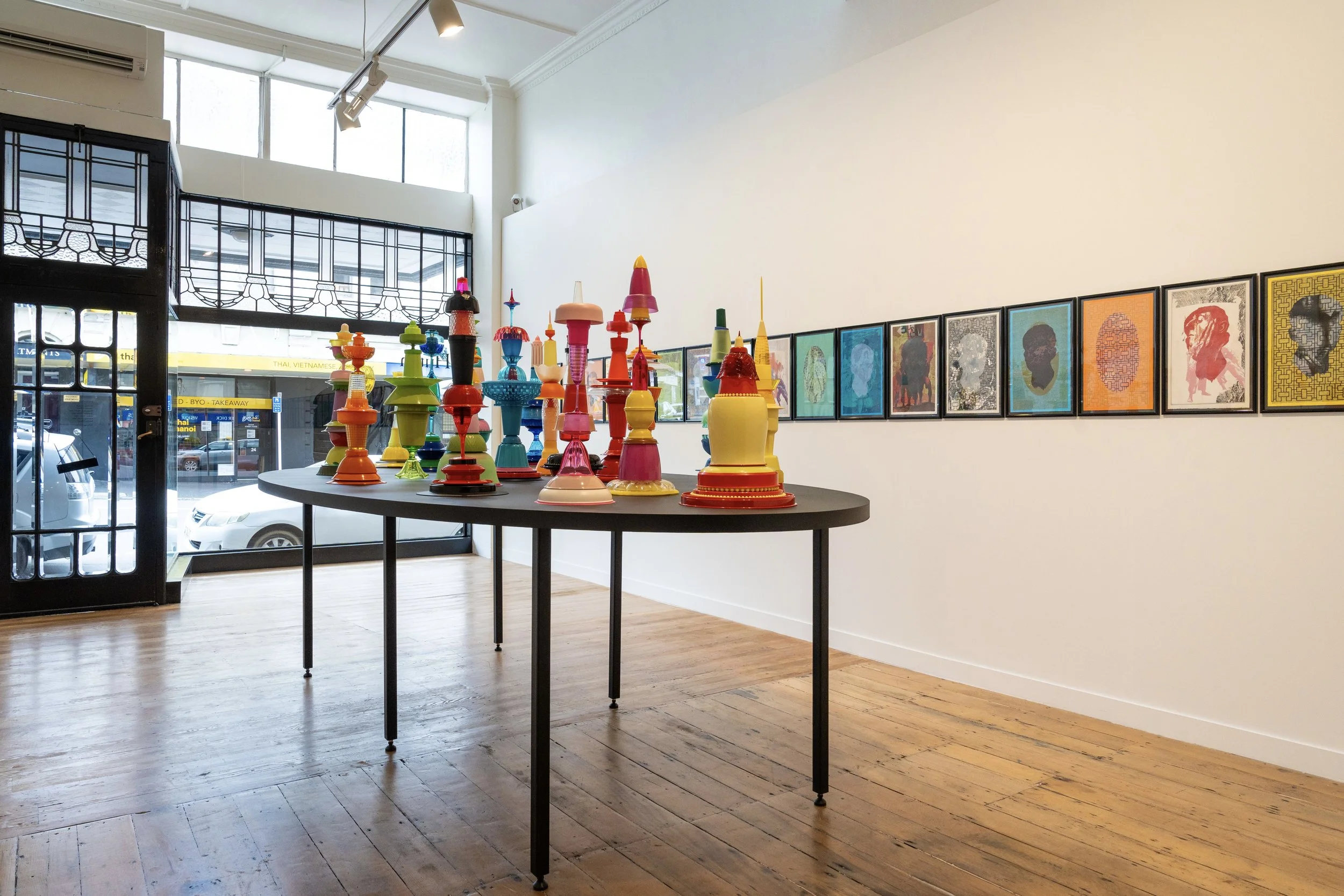
The Rape of the Lock was developed shortly after I moved to Sydney to teach printmaking at Sydney College of the Arts. Having spent the previous decade working with large-scale print installations and sculptural forms, I used this project to re-engage with the formal and technical concerns of conventional printmaking. Drawing on surplus research materials from an earlier project, Gui Nan Feng (1994–95), including books on Aubrey Beardsley and Chinese revolutionary propaganda, I produced a suite of 123 hand-printed, multi-colour lithographs.
The prints centre on two young men associated with opposing cultural revolutions: Lei Feng, the celebrated communist martyr of Maoist China, and Aubrey Beardsley, whose provocative illustrations embodied the Decadent movement of late nineteenth-century Britain. Through collage and juxtaposition, the works construct a satirical dialogue between these contrasting figures and ideologies.
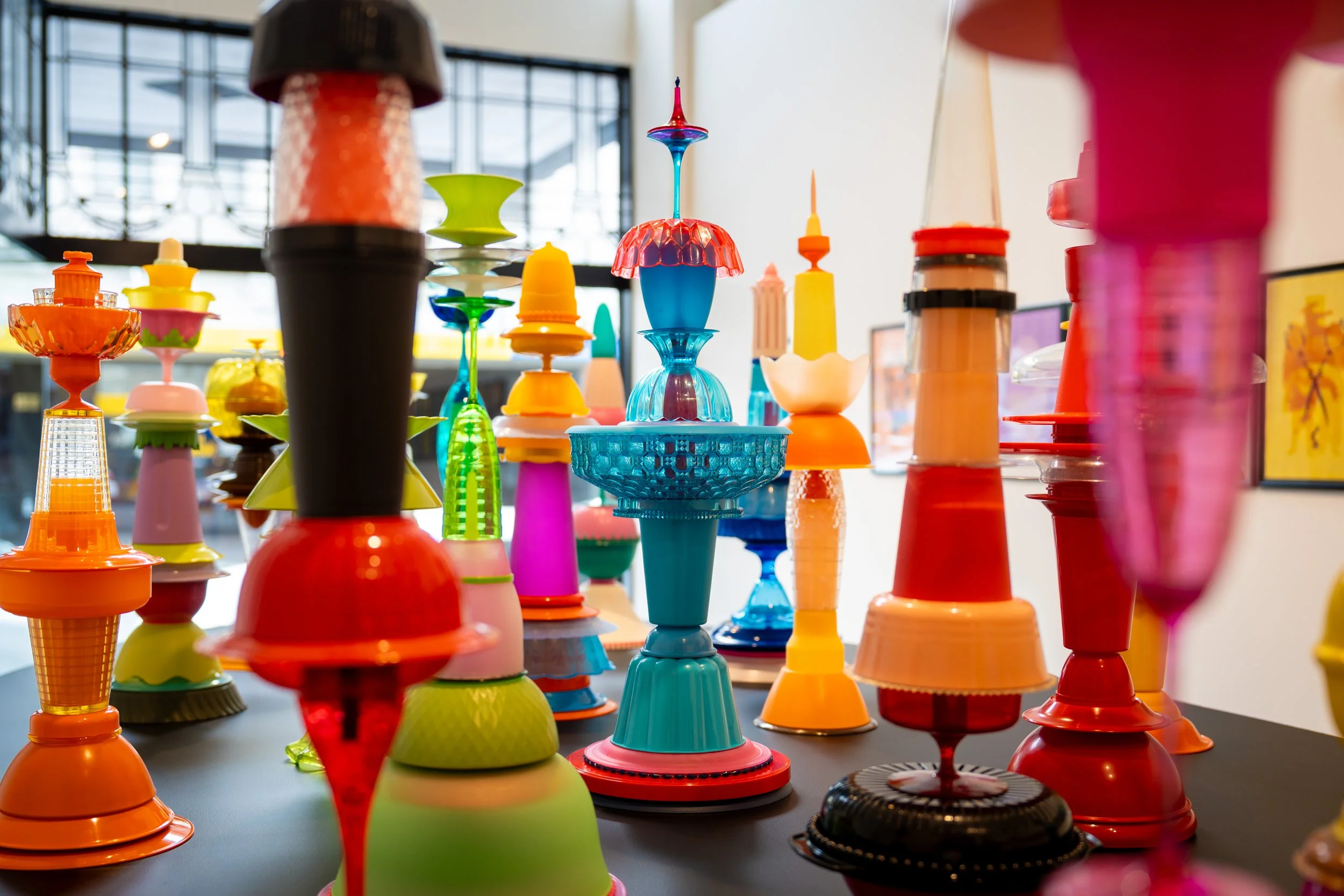
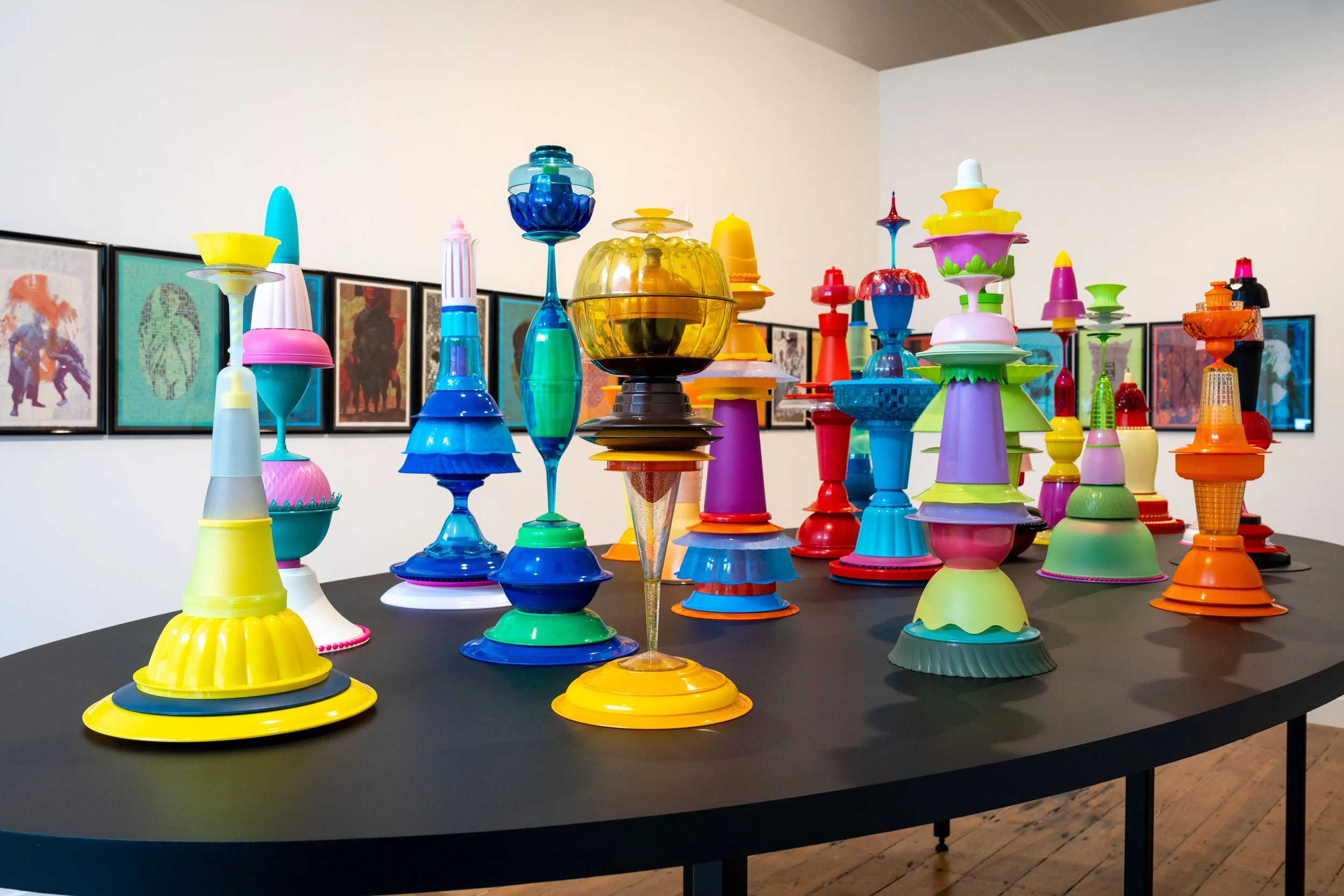
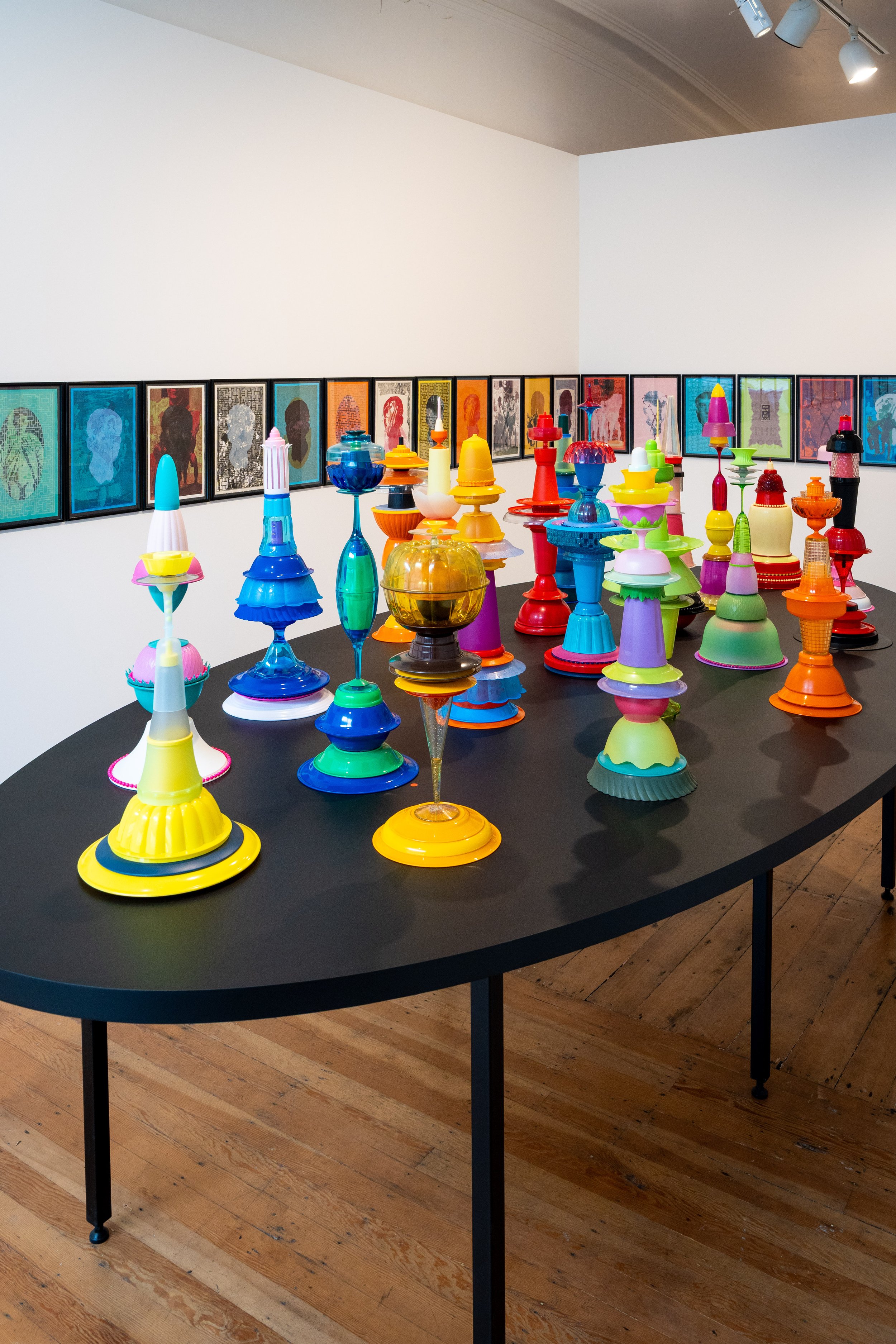
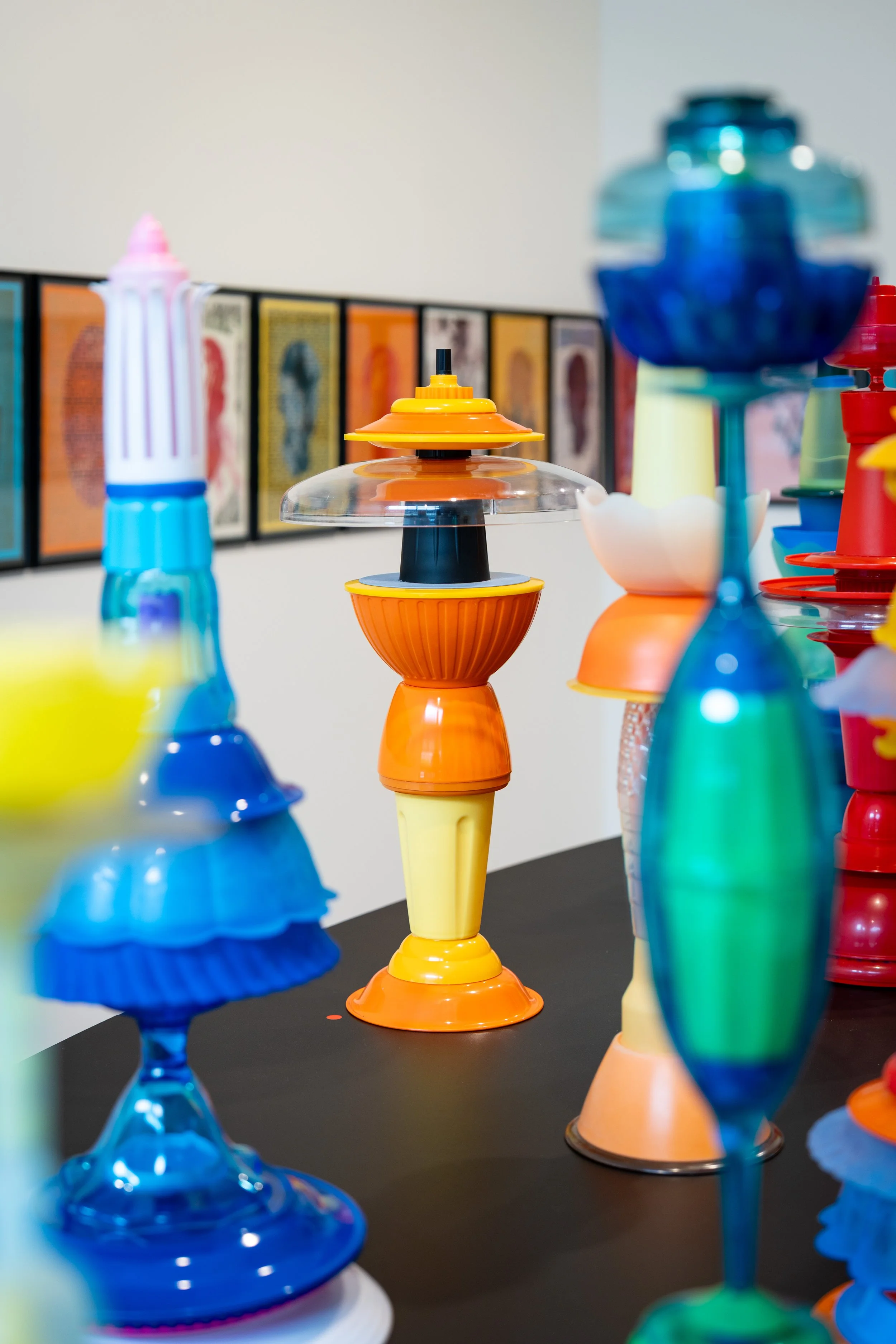
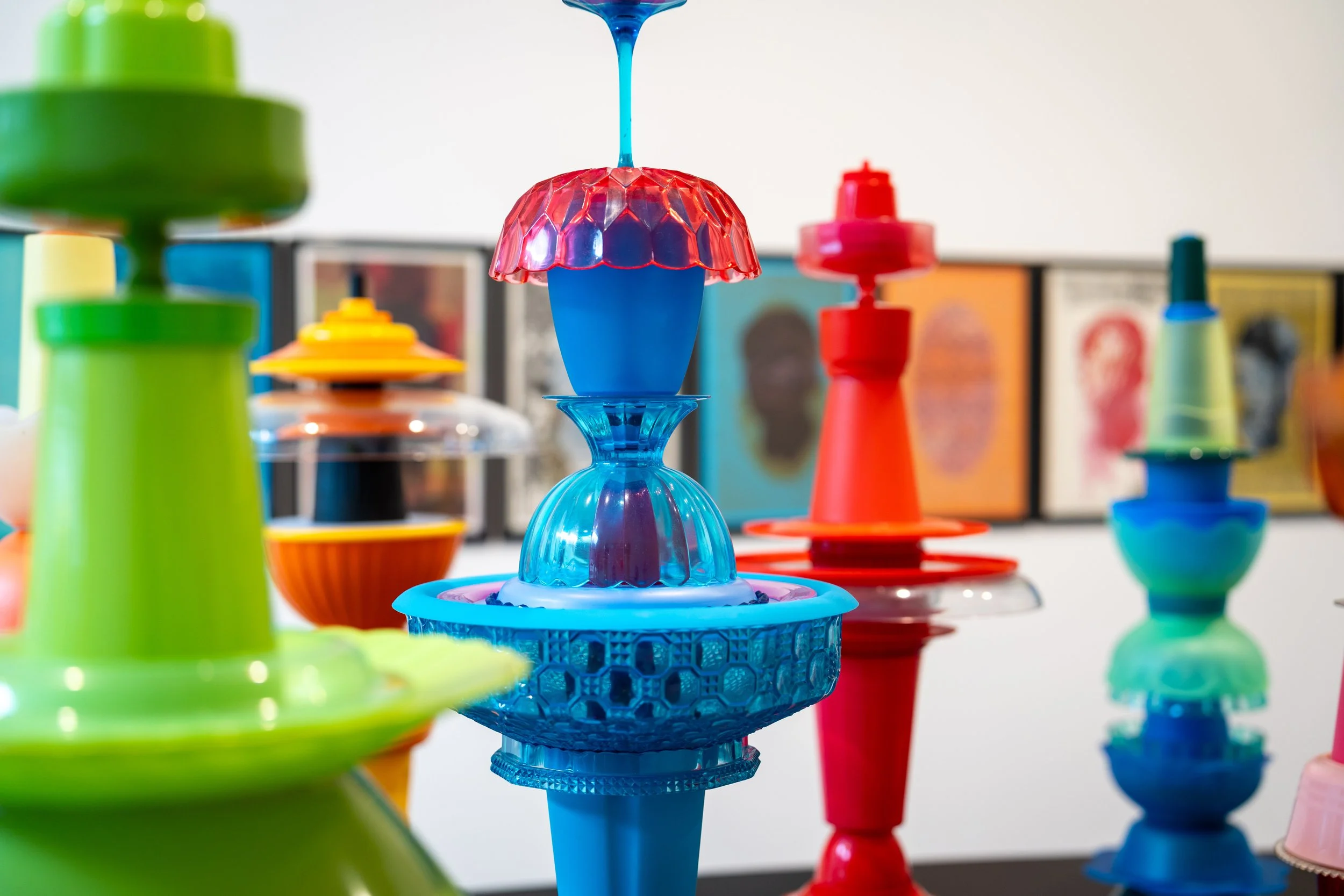
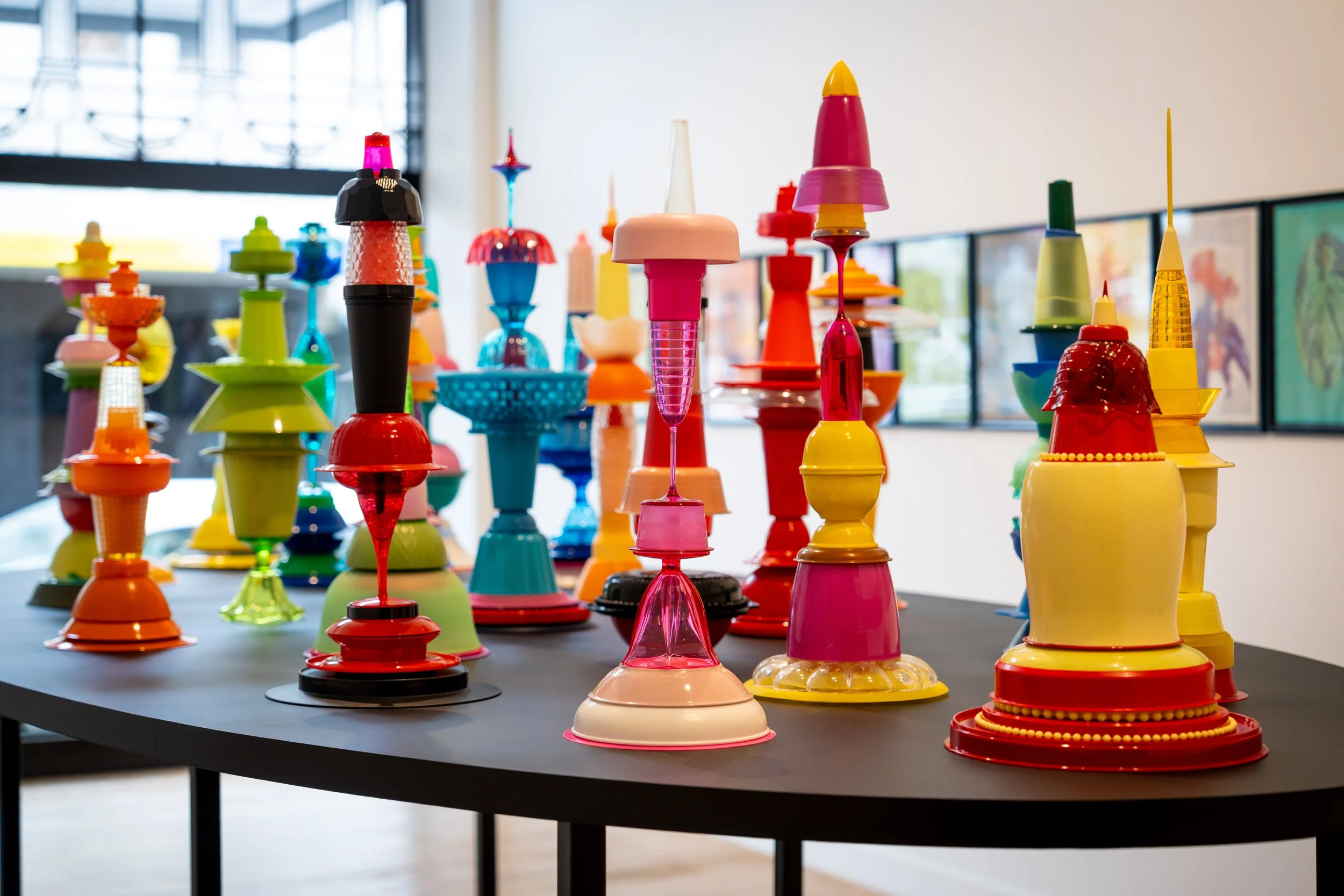
Displayed alongside the surviving prints are new sculptural assemblages collectively titled Against Nature, borrowing its name from J.-K. Huysmans’ influential 1884 novel. Like the earlier print series, these works are constructed from found plastic objects. Here, discarded plastic domestic objects are stacked and combined into colourful, ambiguous forms that suggest everything from futuristic architecture and medical devices to ritual objects and adult toys.
The two projects are connected formally through processes of layering, composition, colour and balance, and conceptually through their use of satire and transformation. In Against Nature, mass-produced utilitarian objects are reimagined as unique sculptural forms, extending the ironic tensions explored in The Rape of the Lock and creating a dialogue between decoration, desire, politics and cultural history.
You can view Neil’s available work here